
Transforming a hot-dip galvanized steel stock tank into a stunning backyard pool is incredibly popular across Canada. However, standard pool maintenance guides completely overlook how chemical sanitizers interact with industrial zinc.
Before you drop a chlorine tablet into your new steel tank, you must understand the underlying chemistry to protect your investment from rapid corrosion.
🧪 1. The Chemical Conflict: Zinc vs. Chlorine & Bromine
Hot-dip galvanized steel is specifically engineered for raw, untreated agricultural water. Introducing aggressive pool sanitizers completely alters the chemical lifecycle of the metal:
- Accelerated Zinc Strip: High chlorine levels act as powerful oxidizing agents, aggressively eating through the protective zinc coating.
- Submerged Sacrificial Failure: Submerged steel areas undergo rapid galvanic degradation when exposed directly to concentrated pool shock.
- The Poly Alternative: For zero-maintenance chlorinated setups, we highly recommend browsing our indestructible, rust-proof polyethylene Poly Tanks.
- Natural Antibacterial Benefits: Raw, untreated well or pond water interacts beautifully with zinc, offering natural antibacterial properties for livestock.
- Voided Warranties: Damage caused by excessively treated water is NOT covered under the manufacturer's warranty.
💧 2. The Low-PPM Protocol: Safe Water Chemistry Guidelines
If you are determined to use standard pool chemicals in a galvanized steel pool, you cannot treat it like a vinyl or concrete pool. You must maintain a precise, delicate balance.
- The 1 to 2 PPM Cap: Keep free available chlorine strictly between 1.0 and 2.0 parts per million (PPM) to minimize oxidation.
- Minimally Use Floating Tab Dispensers: Floating chlorinator pucks trap hyper-concentrated chemical layers against the steel walls, causing localized pitting rust.
- Dissolve Before Adding: Never throw granules or pool shock directly into the water. Pre-dissolve completely in buckets first.
- Use Stabilizers Wisely: Maintain Cyanuric Acid (CYA) around 30 PPM to shield chlorine from UV rays without slowing filtration down.
- Water Quality: Galvanized coatings thrive within a stable, natural water.
💧 2. The Hard Water Secret: pH and Mineral Scaling
The lifespan of your galvanized tank depends heavily on your local Canadian water chemistry and mineral baseline:
- The pH Sweet Spot: Galvanized coatings thrive strictly within a stable, natural water pH range between 5 and 12.
- Soft Water Danger: Soft water with high oxygen levels lacks protective minerals, making it highly corrosive to zinc coatings.
- Hard Water Protection: Mineral-rich hard water containing magnesium or calcium forms a natural protective scale, shielding the underlying steel.
- Unpredictable Lifespans: Without a protective barrier, a chlorinated steel tank's lifespan can drop from decades to a few short months.
💧 4. Safe Water Treatment Alternatives: Chlorine-Free Pool Sanitation
If you want to keep your backyard water crystal clear without risking chemical damage to your tank's protective zinc lining, utilize these highly effective, zinc-safe alternative treatments:
- Copper-Silver Ionization Systems: Utilize low-voltage electronic mineral purifiers to naturally eliminate algae and bacteria without relying on corrosive oxidizers.
- Ultraviolet (UV) Sterilizers: Route your water through an inline UV-C clarification chamber to kill microscopic pathogens instantly using light wave technology.
- Natural Pool Enzymes: Add specialized natural bio-enzymes weekly to effortlessly digest organic oils, sunscreen, and organic residue without altering water pH.
- Hydrogen Peroxide Shock: Utilize specialized 35% food-grade hydrogen peroxide treatments to oxygenate water and eliminate organic bio-films completely risk-free.
- Sub-Micron Cartridge Filtration: Upgrade your system to a high-density cartridge or glass-media filter setup to physically trap organic matter down to 5 microns.
🚫 3. Critical Cleaning Rules: Stop Using Bleach & Vinegar
When organic algae or dirt builds up on your tank walls, using standard household chemicals will permanently ruin the metal:
- Never Use Bleach: Even diluted bleach acts as an immediate corrosive agent that strips your galvanized layer.
- Never Use Vinegar: Acidic vinegar is highly effective at dissolving zinc; using it will instantly expose raw steel.
- The Ammonia Formula: For deep sanitization, use a precise blend of 1 part ammonia to 10 parts fresh water.
- Everyday Soap Scrub: For standard maintenance, a soft brush mixed with simple warm water and dish soap works best.
🧼 6. Safe Maintenance Alternatives: Gentle Defenses Against Algae & Scum
If your tank develops severe organic staining or deep algae lines, you can safely sanitize the zinc walls using these three coating-safe alternatives instead of corrosive acids:
- Baking Soda Polish: Create a thick paste using pure sodium bicarbonate mixed with warm water. This acts as a completely non-abrasive cleaner to gently lift scum without stripping your zinc defense layer.
- Hydrogen Peroxide Spray: For localized organic growth or mildew, spot-treat the area using a standard 3% hydrogen peroxide solution. Let it fizz for 10 minutes, scrub lightly with a soft brush, and rinse immediately.
- Washing Soda Deep Clean: For intense grease or heavy bio-film buildup, dissolve a small amount of sodium carbonate (washing soda) into warm water. It maintains an alkaline pH that completely respects the galvanized steel structure.
- Avoid Steel Wool: Never scrub galvanized metal using wire wire brushes, steel scouring pads, or abrasive pumice stones. These micro-scratch the surface, creating instant focal points for future rust tracks.
🛡️ 4. The Solution: CreKote Barrier Coatings
As Canada’s largest supplier of stock tanks, we tested many coatings to find something that would help with these issues.
- Clear Barrier Coating: We partnered with CreKote to offer a clear topcoat designed specifically for new interior steel.
- Industrial Zinc Defense: This innovative clear coating seals the zinc, preventing pool chemicals from contacting the metal walls.
- Extend Service Lifespans: Apply our barrier coating when your tank is new to maximize your tank’s durability against standard water treatments.
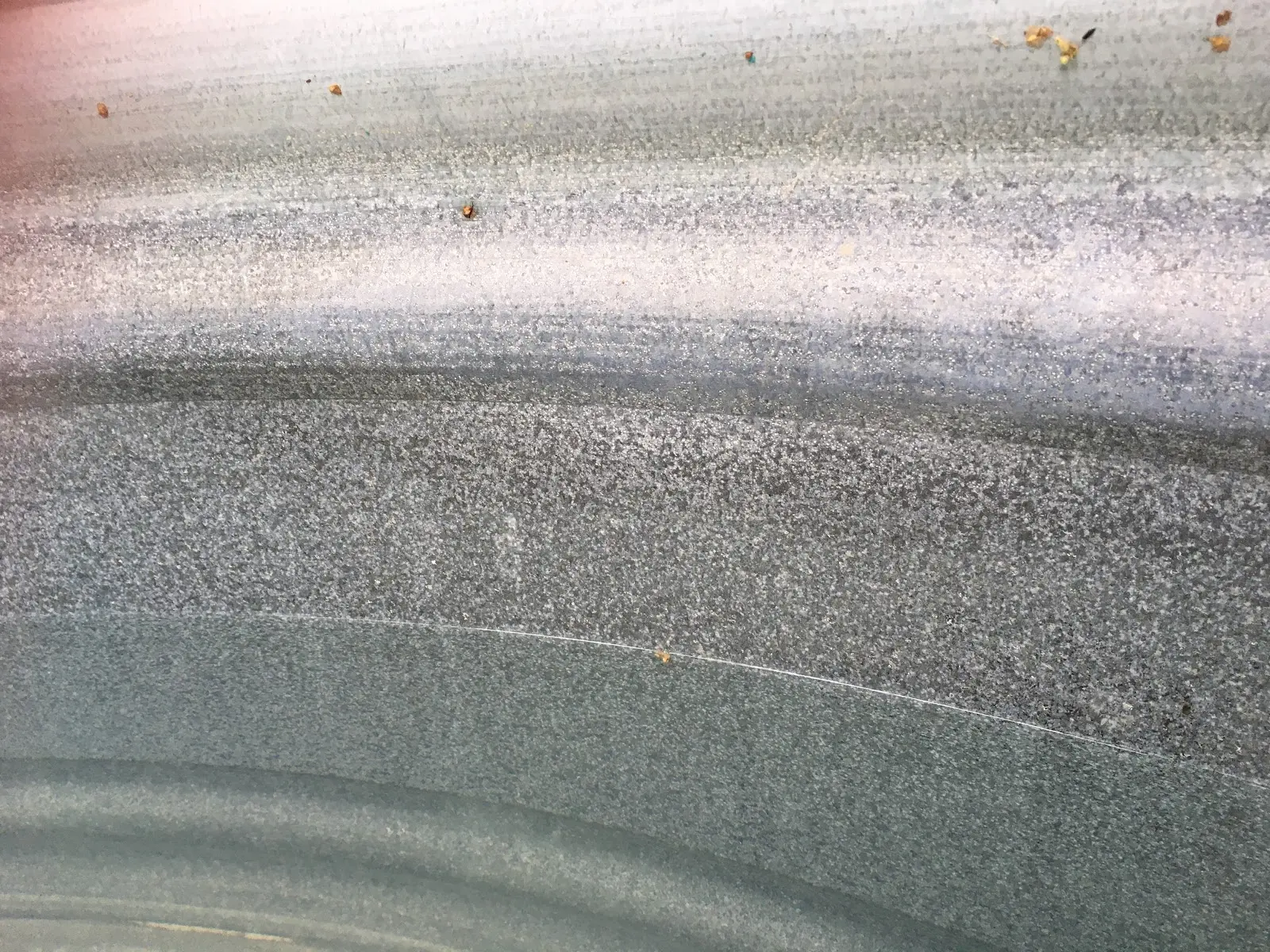
FIG 1. the main photo shows a new tank that had a bag of pool shock put in the water for 1 week.