The popularity of stock tank pools is skyrocketing, and with it comes an overwhelming amount of articles, pictures, and how-tos covering everything from installation and levelling to deck construction and pump fittings. While there are numerous resources available (including our own article on what makes a good stock tank), many of these don’t address the critical safety concerns that must be considered when transforming a stock tank into a pool. We’ll dive deeper into those safety issues in an upcoming article, which you can find linked here.
One area that seems to receive minimal attention is the chemicals and substances to avoid with hot-dip galvanized steel. This is particularly important for those looking to use galvanized steel in a pool setting. Instead of attempting to compile a comprehensive list of corrosive substances, we’ll focus on a few key materials, such as chlorine, bromine, and salt, that pose particular risks to galvanized steel in swimming pools.
First and foremost, it’s essential to understand that using hot-dip galvanized steel in pool water is neither typical nor recommended. These tanks are primarily designed for outdoor use, filled with untreated water from ponds, rivers or wells, which is their "official" purpose. For DIY backyard pools, we suggest opting for poly tanks instead. There is no need to worry about trace amounts of zinc leaching into the water, as zinc can be beneficial for human and animal health. Zinc has natural antibacterial properties that help keep tank water cleaner and fresher longer than in poly or plastic tanks. Plus, their robust design makes them ideal for watering livestock like cattle and horses.
Galvanized steel generally thrives in water with a pH range of 5 to 12, which aligns with the pH of natural, untreated water. However, various factors, including aeration, agitation, ion levels, and temperature, significantly influence its corrosion rate. For instance, soft water with low magnesium and calcium levels, coupled with high oxygen or carbon dioxide levels, can be especially corrosive to galvanized steel. In contrast, hard water rich in magnesium or calcium can form protective scales on the galvanized surface, extending the metal's lifespan by acting as a barrier against corrosive elements.
While untreated water conditions can still affect the galvanized coating, the impact is significantly slower compared to treated water. A quality galvanized coating can last for many years under the right conditions.
If you are drawn to the rustic charm of stock tanks and still wish to use one for your backyard pool, here are a few points to keep in mind. First, rest assured that the coating on the tank itself is not hazardous. According to the WHMIS sheet "8(a) Occupational Exposure Limits (OELs): Galvanized (Hot Dipped) Sheet–High Strength Steel as sold/shipped in its physical form does not present an inhalation, ingestion or contact hazard, nor would any of the following exposure data apply. However, operations such as high-temperature (burning, welding, sawing, brazing, machining and grinding) may produce fumes and/or particulates." (NOTE: Search online for any WHIMIS sheet for Galvanized Coating for more information)
The FDA recommends a safe level of zinc intake, and the trace amount leached into the water is acceptable. However, when treating the water, extreme care is required. High chlorine levels can accelerate corrosion of hot-dip galvanized steel, especially in submerged areas (as shown in Fig. 1).
Predicting the exact corrosion rate of galvanized products in pool water is challenging because factors such as chlorine levels, temperature fluctuations, and water hardness vary over time. Generally, without a protective barrier coating for submerged areas, the galvanized coating may last anywhere from a few months to a few years.
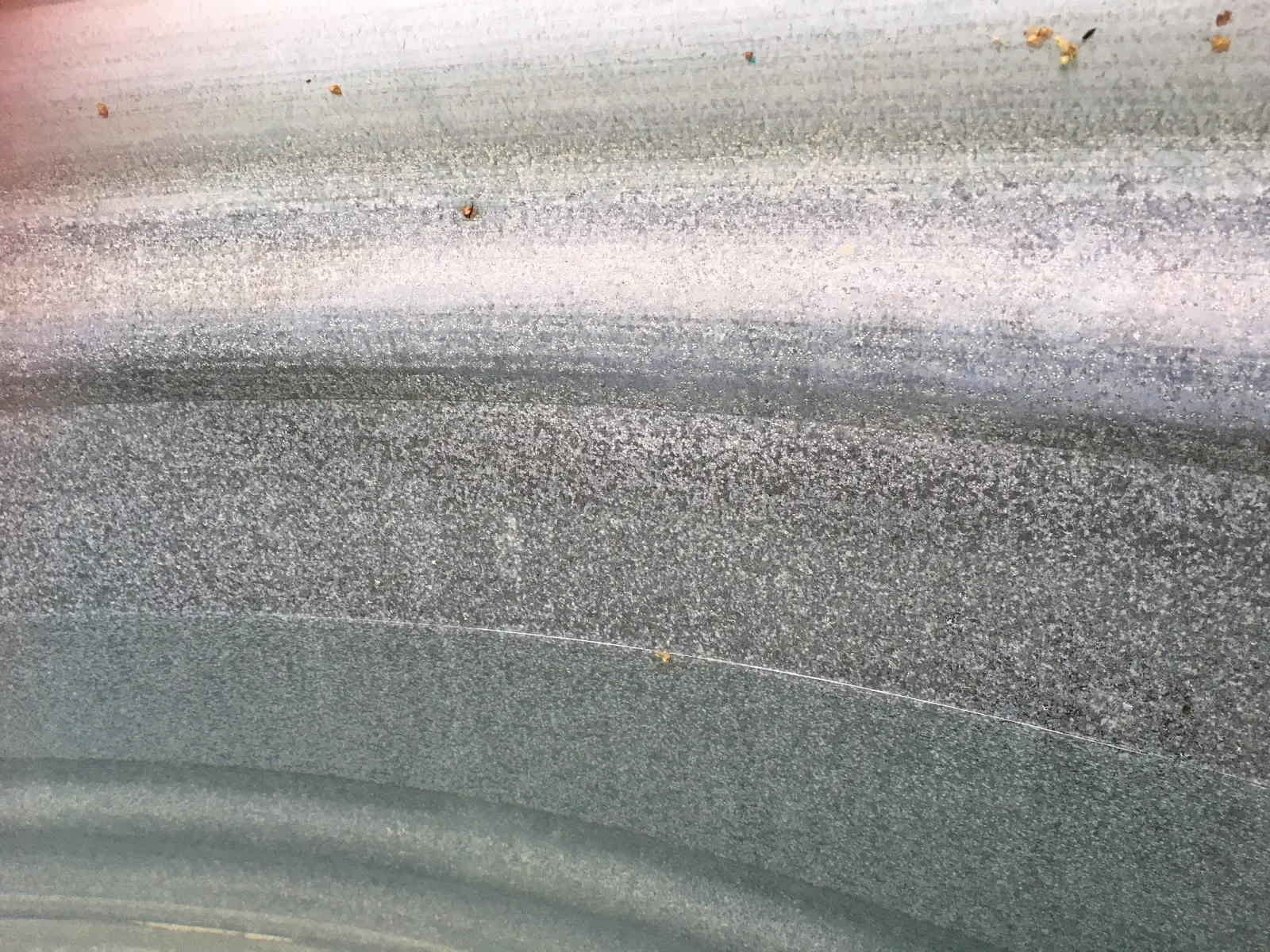
FIG 1. The main photo shows a new tank with a bag of pool shock in the water for 1 week.
When it comes time to clean the tank, many people may instinctively turn to bleach or vinegar. **DON’T DO IT!** Bleach, even when diluted with water, is highly corrosive to galvanized steel, and vinegar is actually effective at stripping the zinc coating from the metal. A safer alternative for cleaning is a mixture of 1 part ammonia with 10 parts water, followed by a rinse with fresh water and a thorough drying of the galvanized surface. However, for most everyday cleaning tasks involving organic dirt and buildup, a solution of standard dish soap mixed with warm water and a brush works best.
As Canada’s largest supplier of stock tanks, we felt it was our responsibility to explore solutions to these issues. We partnered with CreKote to create a wipe-on clear top coat specifically designed for NEW or undamaged interior surfaces. This innovative coating creates a protective barrier between chlorine in the water and the zinc coating, significantly extending the zinc coating's service life. You can find this coating on our website HERE.
If you've already purchased a galvanized tank and may have used too much chlorine, it may have damaged the interior surface. MANY different methods of refinishing and painting have been tried with varying degrees of success. If you have found a solution that has lasted, don't hesitate to get in touch with us with the details so we can share it with everyone.
As the stock tank pool trend continues to grow, keeping these cleaning tips, chemical considerations, and safety precautions in mind will help ensure a more enjoyable and longer-lasting pool experience. Stay tuned for more insights into stock tank pool safety in our upcoming articles!